Understanding Cannabis Flavonoids
Cannabis is quite the complex plant, boasting over 400 chemical compounds. It is so complex, in fact, that even after thousands of years of cannabis use, researchers are still making new discoveries when it comes to cannabis phytochemistry (plant chemistry). While the cannabinoid and terpene profiles of cannabis cultivars are commonly discussed, there are other important compounds that also contribute to the entourage effect of this therapeutic plant.
Put simply, the entourage effect describes the way the hundreds of phytochemicals work synergistically to help one another create a therapeutic cannabis experience. A lesser-known piece to the understanding of the entourage effect is a chemical group known as flavonoids. Learn more about how these compounds contribute to the overall cannabis experience.
What Are Flavonoids?
Flavonoids are often associated with the color of cannabis, but they play a role that goes much deeper than the surface. Flavonoids are secondary metabolites, organic compounds produced by any life form that are not directly involved in normal growth or development. To differentiate between primary and secondary metabolites, it is important to know that primary metabolites in plants are directly involved in growth, development, and reproduction. An organism can die if its primary metabolites, like amino acids, vitamins, and antioxidants, are destroyed or disrupted.
Secondary metabolites like flavonoids are not directly involved in these critical processes and would not necessarily result in an organism’s death if missing — though they can provide essential protection and support to help the organism thrive.
Flavonoids were first described by Robert Boyle in 1664 in his book about experimentation with plants and colors. By 1930, we would have our first official identification of a flavonoid made by a Nobel Prize-winning biochemist. When investigating the cannabis plant, twenty different varieties have been discovered.
In nature, flavonoids are known for their diversity and variety of colors throughout various plant life. There are over 8,000 varieties of flavonoids that can be found in almost every plant species, including vegetables, herbs, and fruits. The most commonly occurring hue they create is yellow, and its Latin name, “flavus,” inspired the name of this group of compounds. Flavonoids can also be found in blues and reds.
What Role Do Flavonoids Play?
We often don’t give the colors we see much thought, but there is a great deal of science behind them. Color is perceived by the optical systems of various animals as wavelengths of light absorbed and reflected back to the eye by that particular substance. As the major component of plant color, flavonoids can reflect or transmit energy, which creates a particular color for the eye to see. This ability to absorb and reflect light is what actually helps flavonoids protect plants from harmful environmental hazards.
The same properties that help flavonoids protect plants are also what provide nutrients and antioxidants to the plant and those that consume them. Increased antioxidant production continues to be a highly sought-after plant characteristic, especially when it comes to human consumption for health and nutrition.
Antioxidants are important because they can prevent free radicals in the body from creating negative oxidation chain reactions that lead to cell deterioration and death. Due to their ability to boost antioxidants and nutrients, flavonoids may provide encouraging results when it comes to combating serious health conditions such as some cancers, diabetes, and heart disease.
Flavonoids play a vital role in seed development and the growth process through necessary functions such as cell cycle progression. Not only do flavonoids help a plant to thrive, but they also act as a defense mechanism, preventing damage from various environmental stressors like insects, UV rays, fungi, and bacteria.

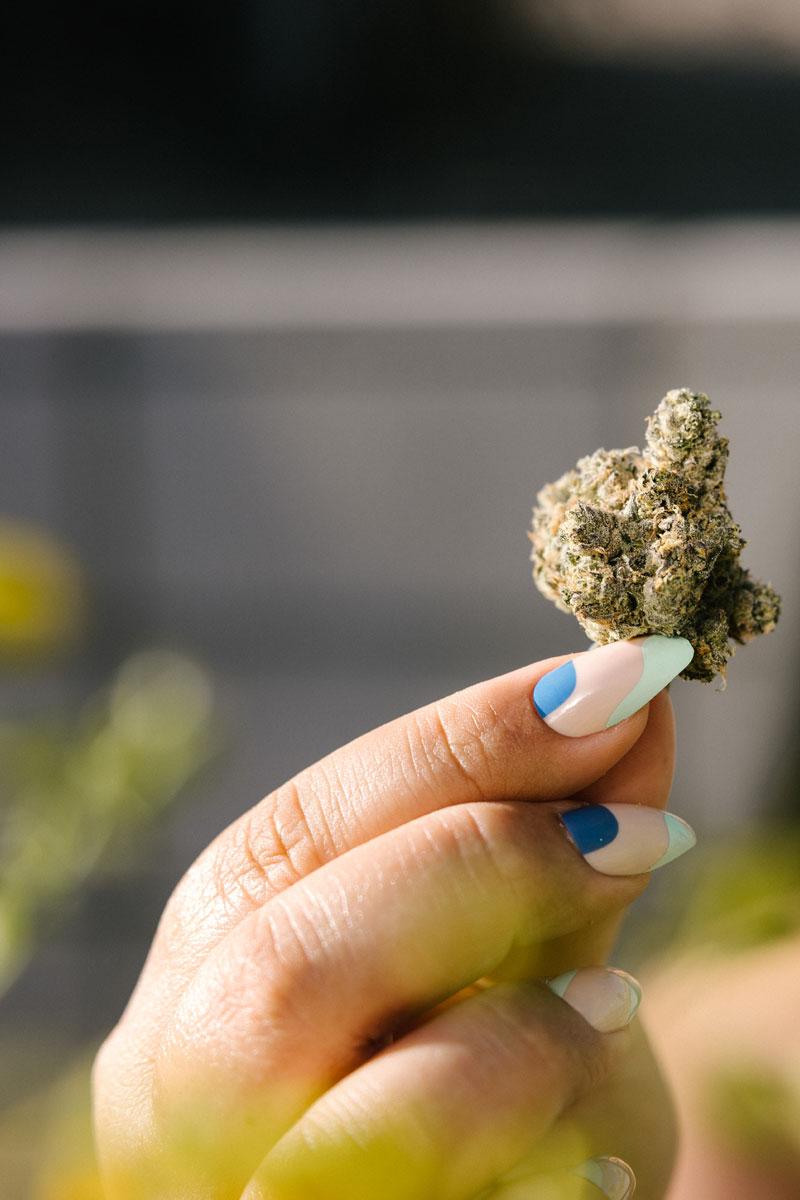
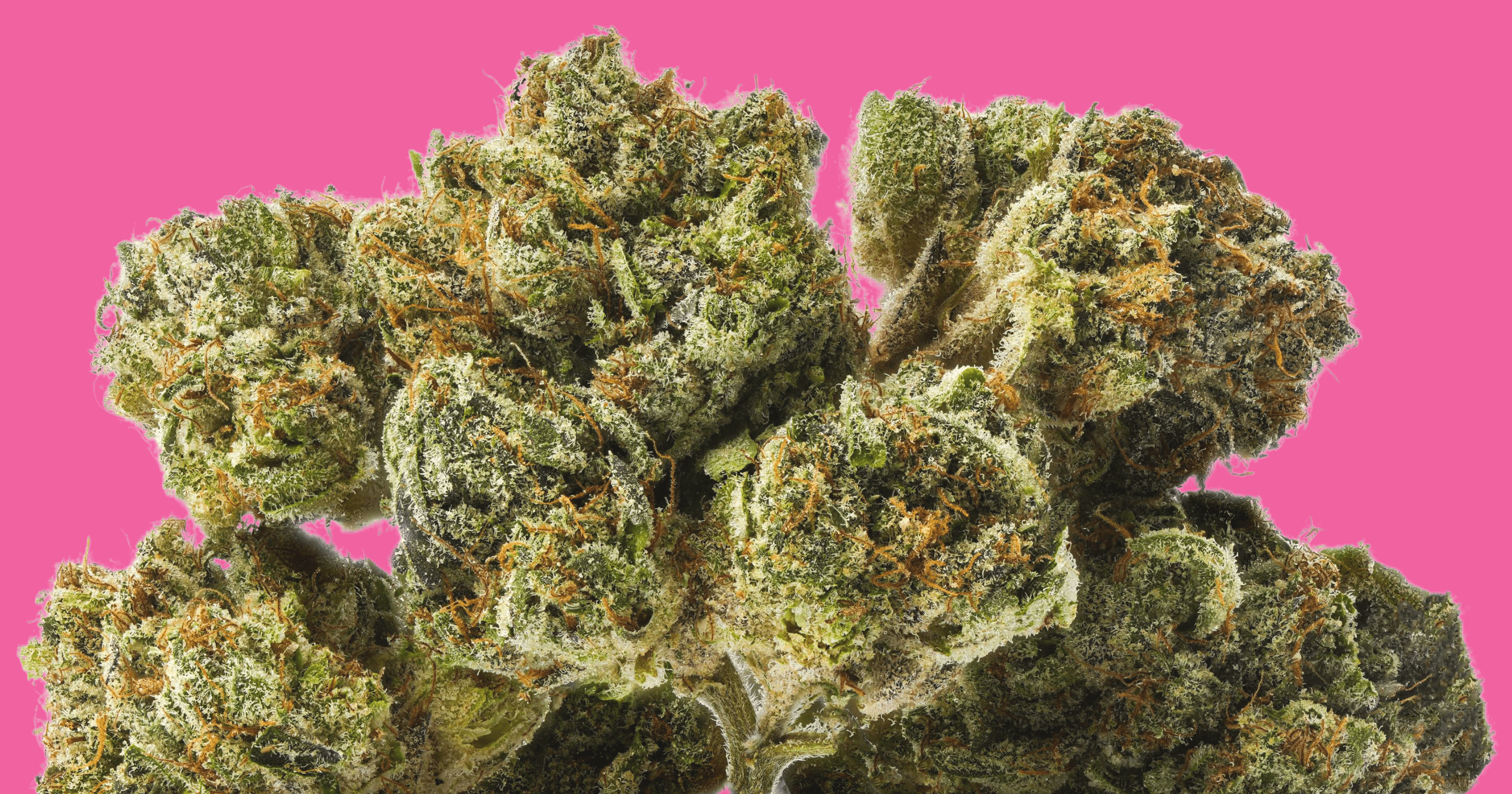
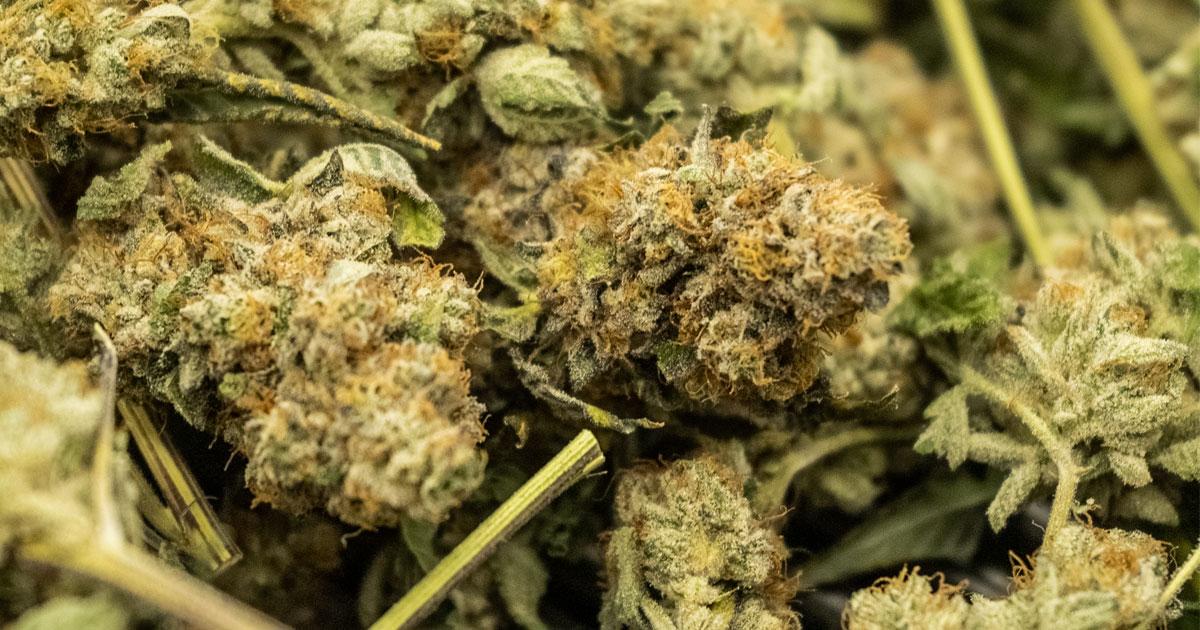
Of course, flavonoids do contribute to the overall appearance of a plant. This contribution to plant characteristics extends even further than pigment, as flavonoids also contribute to flavor and aroma. When it comes to cannabis, flavonoids provide different strains with their unique taste, smell, and color.
Cannabis Flavonoids and the Body
You’ll first experience flavonoids via your primary senses. You’ll see the pigmentation they provide to the various strains, then smell the different aromas they can create. Finally, you may taste some of the differences cannabis flavonoids can create within a cultivar.
In addition to what you can see, smell, and taste, flavonoids also appear to contribute to cannabis’ therapeutic benefits. Flavonoids play a vital role in cannabis’ entourage effect. The entourage effect is a term used to describe the interactions of cannabinoids, terpenes, flavonoids, and other compounds with the endocannabinoid system in the body. This system interacts with both endogenous (produced by the body) and cannabis-derived cannabinoids to regulate things like sleep, mood, pain, and more.
The entourage effect occurs when these compounds work synergistically to provide a therapeutic effect on the body. Medicinally, compounds like cannabinoids and terpenes have been linked to anti-inflammatory, antioxidant, and antibacterial properties that can help attenuate certain diseases or their symptoms. Flavonoids are crucial to the entourage effect, as they have been shown to directly contribute to these properties.
Since every strain of cannabis has a unique combination of these compounds, every strain will provide different medicinal and psychoactive effects. The various combinations of cannabinoids, terpenes, and flavonoids have similarly varied effects on the way cannabinoids interact with the endocannabinoid system. This is why some strains are ideal for pain management while others may have more of an impact on sleep, mood, and more.
Common Cannabis Flavonoids
Researchers have discovered twenty distinct types of flavonoids in the cannabis plant alone. Some of these flavonoids are more dominant than others and may provide more significant health and experiential benefits.
There are three different classes that are used to categorize flavonoids. This includes bioflavonoids, isoflavonoids, and neo flavonoids. The difference between these categories hinges upon the various ways these compounds attach. Within these three different classes are dozens of subgroups. These subgroups vary in the production of antioxidants, color pigmentation, and effects.
Cannflavins A, B, and C
These flavonoid varieties are only produced in the cannabis plant and are part of a category class referred to as flavones. Research has linked Cannflavin A specifically to neuroprotective properties, reducing inflammation, and providing anti-cancer properties, though more studies are needed to confirm. Cannflavins have also been shown to provide antioxidant properties.

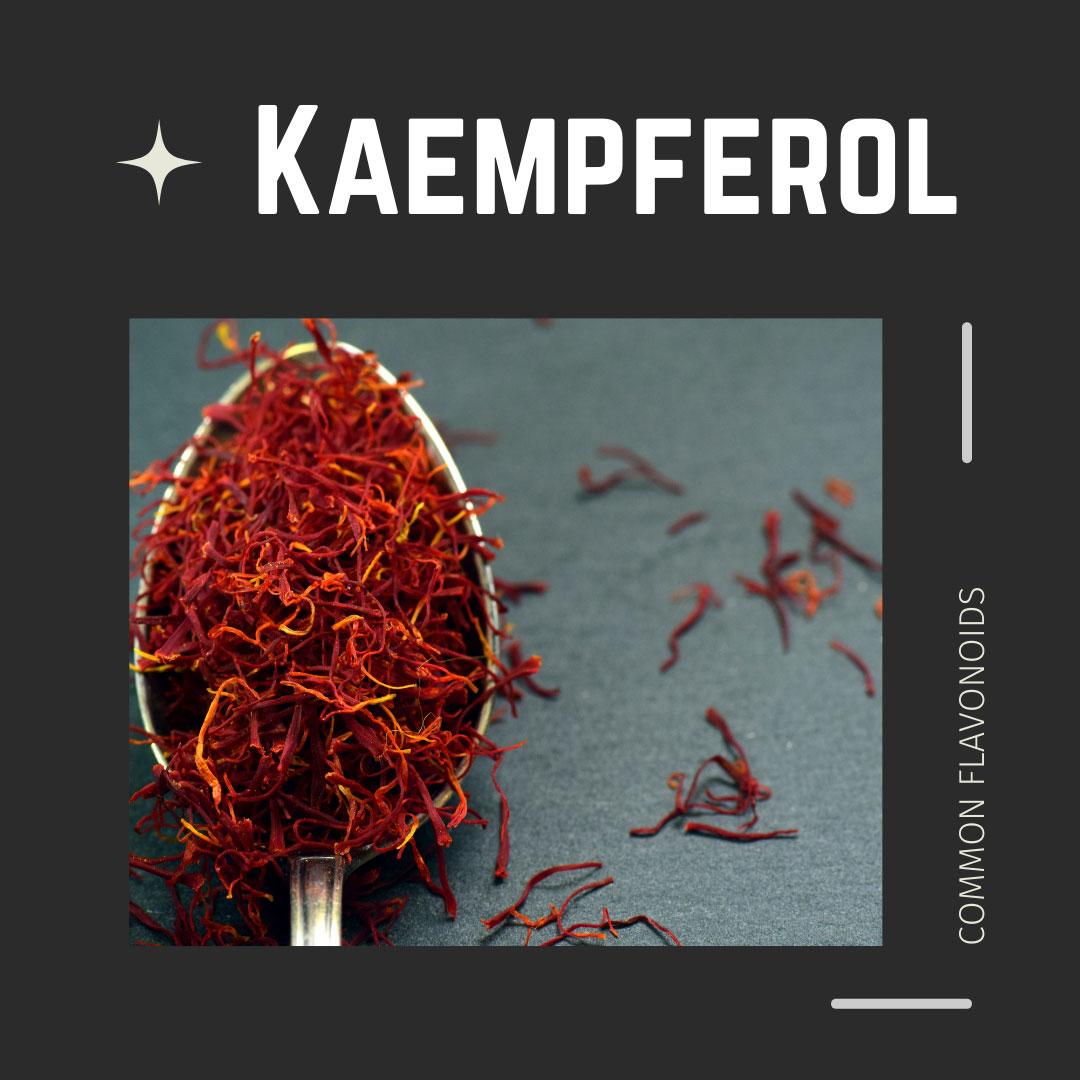
Kaempferol
This flavonoid can be found in a wide variety of plants that are likely already a part of your diet, like:
- Cucumbers
- Green beans
- Kale
- Beans
- Endives
- Spinach
- Onions
- Capers
- Saffron
- And more
When it comes to the medicinal qualities of this flavonoid, explorations into the treatment of various cancers are underway. Kaempferol appears to reduce the occurrence of cell death, aid in the formation of new blood cells, and minimize inflammation within the body.

Quercetin
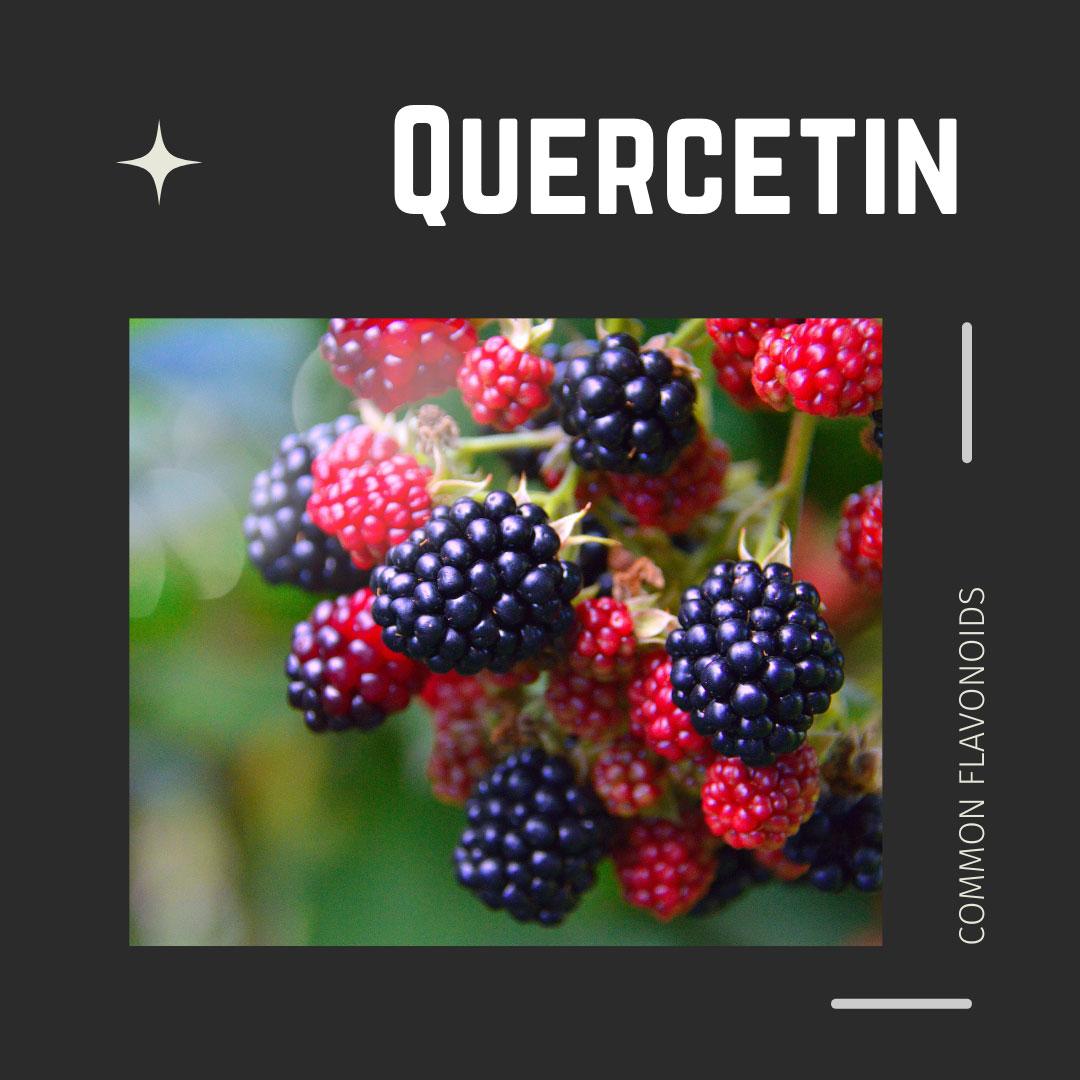
Our body is no stranger to the commonly found flavonoid quercetin. This flavonoid is the most abundant of any flavonoid in a typical diet and can be found in a variety of foods such as:
- Kale
- Berries
- Apples
- Citrus fruits
- Red onions
- Cocoa
- Various nutrient-packed vegetables
This flavonoid is often easy to spot due to the deeply colored yellow hue associated with the skin and leaves of various plants. Quercetin is a super antioxidant that appears to help combat free radicals by suppressing inflammatory pathways. The flavonoid is anti-inflammatory, anti-fungal, and antiviral, and may help boost physical and mental performance.
Apigenin
This flavonoid can be found in a variety of foods, such as:
- Celery
- Parsley
- Basil
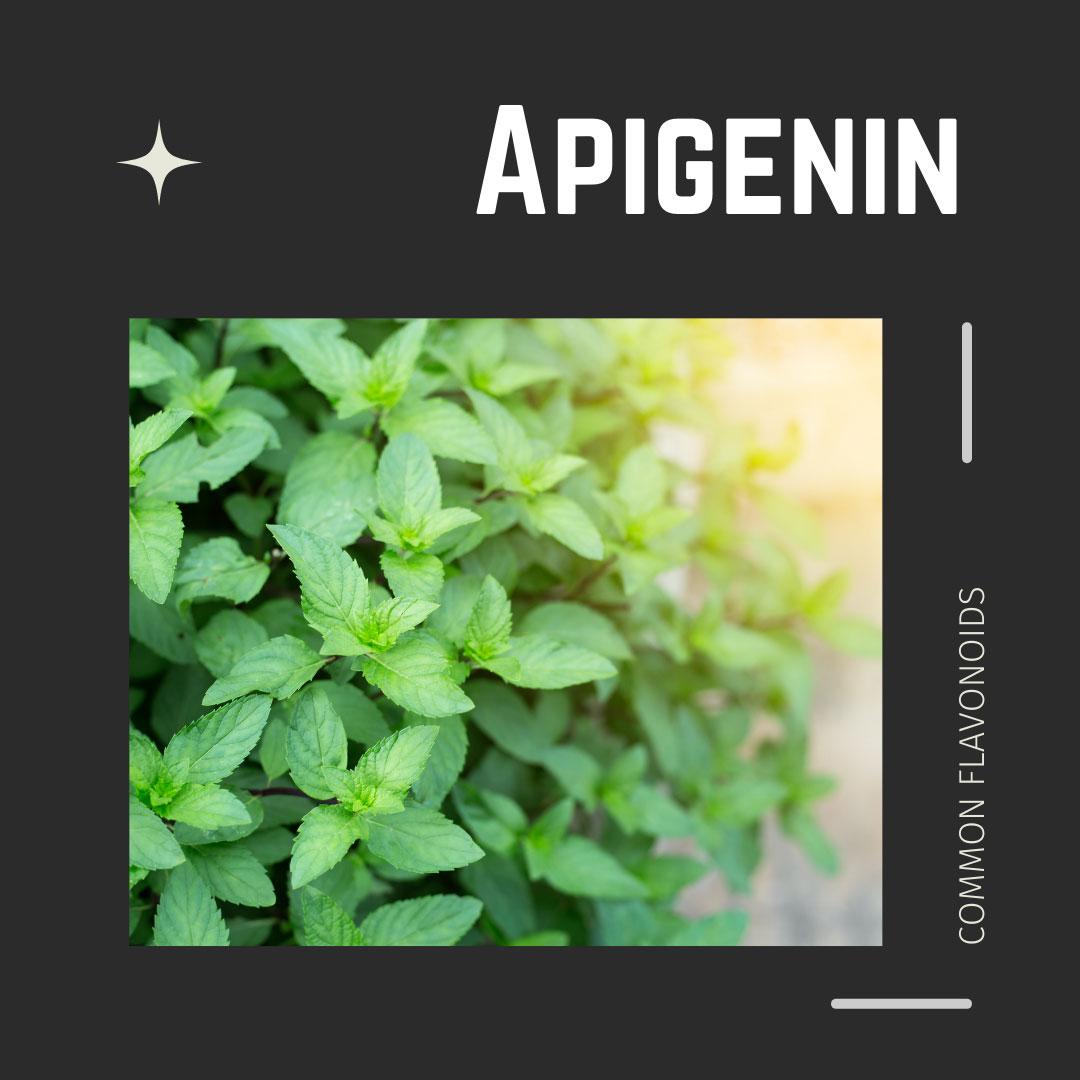
- Mint
- Cilantro
- Tarragon
- Onions
Apigenin has been used for centuries to aid in the dyeing of wool due to its vibrant yellow color. When it comes to interacting with the body, it is known for providing muscle-relaxing and calming effects. For example, it is believed that apigenin is the active ingredient that provides sleep-inducing or calming effects in chamomile teas. In addition to aiding in relaxation, this flavonoid is also a beneficial antioxidant, anti-inflammatory, and antiviral compound.

Flavonoid FAQs
Flavonoids are amazingly versatile and complex compounds. Learn more about how they interact with the human body with these frequently asked questions.
Flavonoids Enhance Your Cannabis Experience
The cannabis plant continues to astound cannabis customers and cultivators alike with its complexities. Years ago, cannabis terpenes and flavonoids were largely unexamined components of the cannabis plant. Today, they are considered vital components of the cannabis entourage effect.
Cannabis flavonoids are a powerful and beneficial addition to any patient's routine. As the research continues to build around flavonoids, including their effects and interactions, it is important for patients to stay up-to-date with the most current and accurate information. While cannabis use should always be done under medical supervision and with caution, understanding these compounds can provide a safe and effective way to harness the plant’s healing properties.

References:
- Atkins, P., Energy and Elements, Part II: A Closer Look at ICP, Cannabis Science and Technology, 2023,6(1), 20-25. https://www.cannabissciencetech.com/view/energy-and-elements-part-ii-a-closer-look-at-icp
- Livingston, S.J., Quilichini, T.D., Booth, J.K., Wong, D.C.J., Rensing, K.H., Laflamme-Yonkman, J., Castellarin, S.D., Bohlmann, J., Page, J.E. and Samuels, A.L. (2020), Cannabis glandular trichomes alter morphology and metabolite content during flower maturation. Plant J, 101: 37-56. https://doi.org/10.1111/tpj.14516
- Richins RD, Rodriguez-Uribe L, Lowe K, Ferral R, O’Connell MA (2018) Accumulation of bioactive metabolites in cultivated medical Cannabis. PLoS ONE 13(7): e0201119. https://doi.org/10.1371/journal.pone.0201119

Content Manager for MÜV Florida and Contributor for Zen Leaf Dispensaries. A cannabis connoisseur with a passion for explaining the miraculous possibility of the plant, Swan began her journey with cannabis as a recreational user and quickly realized its positive impact on her depression and severe anxiety. She joined the cannabis industry as Receptionist and MedTender and witnessed first-hand the immense potential of the plant for a wide variety of ailments, deepening her passion for alternative medicine. Swan is dedicated to self-education on the plant and sharing its potential with all. She holds a Journalism degree from the University of Iowa.